

Wednesday, August 12, 2026

August 2026- Monthly meeting and Additional Information


Columbia Parkinson’s Support Group


August Meeting


Sunday, August 16, 3:00 pm-5:00 pm


Lexington Medical Center

Medical Park 1 Auditorium (Ground Floor)

2728 Sunset Blvd.

West Columbia, SC


Columbia Parkinson’s Support Group Meeting Sunday, August 16, 2026


Topic: Updates in Movement Disorders/Parkinson’s Disease Research at MUSC

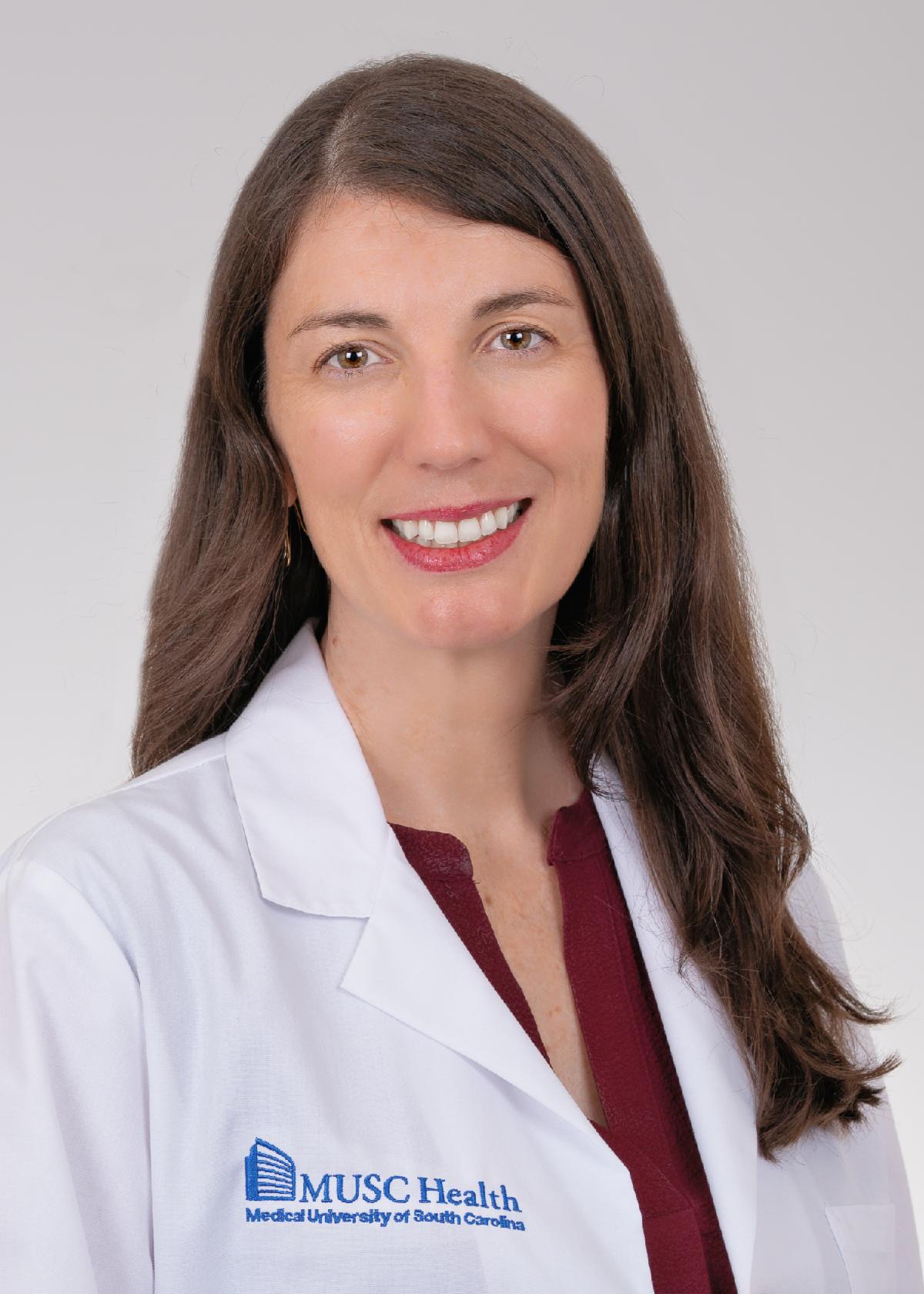
Our main speaker will be Dr. Christine Cooper


Dr. Christine Cooper is a board-certified neurologist with a specialty in Movement Disorders. Dr. Cooper received her medical degree from the University of Florida with honors in clinical research. She went on to complete her neurology residency at Beth Israel Deaconess Medical Center/Harvard University, followed by a fellowship in movement disorders at Pennsylvania Hospital/University of Pennsylvania. Clinically, Dr. Cooper sees patients with all Movement Disorders, including Parkinson's disease, Multiple System Atrophy, Progressive Supranuclear Palsy, Corticobasal Syndrome, tremor, dystonia, dyskinesia, ataxia, tics, and chorea. As part of the treatments offered, Dr. Cooper performs botulinum toxin injections for Movement Disorders patients, as well as pre- and post- care for surgical therapies such as Deep Brain Stimulation and Focused Ultrasound. 


Dr. Cooper is director of the MUSC Neurology Clinical Trials Unit, which provides opportunities for South Carolina patients to participate in the latest industry and foundation-sponsored research to evaluate the latest diagnostic tests, medications, and therapies. In addition, Dr. Cooper’s own research lab is focused on evaluating diagnostic biomarkers, neuroimaging markers, and novel noninvasive neuromodulation techniques to improve the understanding of Movement Disorders. 


We will discuss ongoing and upcoming research for Parkinson’s disease and Movement Disorders at MUSC and nationally.


Research participation can vary from observational studies, to new medications and therapies.


We will discuss current research opportunities and how to get in touch with our research team.

Dr. Cooper headshot


Second brief presentation: Rock Steady Boxing


Rock Steady Boxing is a non-contact boxing program designed specifically for people with Parkinson’s disease. It aims to improve quality of life through exercises that enhance balance, strength, agility, and overall fitness. Rock Steady Boxing is not just boxing, it is specifically designed to address Parkinson’s symptoms such as slow or small movements, imbalance, stiffness, flexed posture, and respiratory weakness. Our scientifically based curriculum can be adapted to any level of Parkinson’s.


Presenters: Rock Steady Boxing Irmo

3541 Dreher Shoals Road

Irmo, SC 29063

Tel. # (803) 575-0549


Please also note: at our August 16th meeting, we will have a PGY-3 Neurology Resident doctor at USC Columbia, Jaydeep (“Jay”) Sambangi, MD, visiting with us. He is very interested in better understanding Parkinson’s Disease, and the people it affects, from the patients’ perspective. If any of our support group members who are PD patients would feel comfortable talking one-on-one with Dr. Sambangi during the time following the formal presentation section of the meeting, he would greatly appreciate it. This is a great opportunity to help a doctor enhance his formal training by talking with him about your lived experience, so we hope several of you will be willing to sit and talk with him.


MaxLiving “What Is Health?” Free Lunch and Learn – Must Preregister


Date: Friday, September 4, 2026 – Registration deadline is August 31, 2026


Time: 11 AM to 1 PM – Lunch is provided


Location: Our normal meeting location – Lexington Medical Park I, 2728 Sunset Blvd., West Columbia, SC 29169


What Is Health? is an educational wellness talk that explores the true meaning of health beyond simply the absence of disease. Participants will learn about the vital role of the nervous system, what it controls throughout the body, and how neurologically based chiropractic care supports optimal nervous system function. The presentation also discusses the potential impact of chiropractic care for individuals living with Parkinson's disease, supported by current understanding of nervous system health. The session concludes with my personal journey of living with chronic illness and how chiropractic care became an important part of my health and healing, offering both education and hope for those seeking a proactive approach to wellness. Lunch will be provided. 


Our speaker is Haley Heskett: Haley is the Operations Manager and Community Outreach Director for MaxLiving Chiropractic in Columbia, South Carolina. Over the past five years, she has served in multiple leadership roles within the organization, beginning at the corporate level where she assisted in training new doctors and supporting the opening of chiropractic offices across the country. For the past two years, Haley has shifted her focus to serving the Columbia community, where she is dedicated to educating individuals, businesses, and organizations on the importance of nervous system health and neurologically based chiropractic care.

Through engaging community health talks, Haley empowers audiences to better understand how the nervous system influences every aspect of health and how proactive, neurologically focused care can help individuals live healthier, more vibrant lives. Drawing from both her professional experience and her own journey overcoming chronic illness, she brings a unique blend of clinical education, authenticity, and hope to every presentation. Her passion is helping others understand that true health is about more than treating symptoms—it's about restoring function and unlocking the body's God-given ability to heal.


Registration link on EventBrite:


Image of Haley Heskett.


Message from the Parkinson Association of the Carolinas – Job Opportunity


Thank you for all you do to support people with Parkinson's in your community. I wanted to share some exciting news! The Parkinson Association of the Carolinas (PAC) is growing so we can better support the Parkinson's community in South Carolina. As you know, PAC serves both Carolinas, but we also recognize that we have had a smaller impact in South Carolina. We are hoping to change that! 


We are hiring for a Part Time Program Coordinator (contractor position). This will be a remote role, filled by someone in South Carolina. The job is up to 80 hours a month, supporting PAC programs, including visiting with support groups, health fairs, exercise and movement classes, and community presentations. While the role is remote, they will need to be able to travel throughout the Carolinas, primarily in SC, for programs, meetings, and events.


Please share the attached job listing with anyone who you think may be a good fit for the position.


If you have any questions, please do not hesitate to reach out.


Kind regards,


Gillian Schultz, MPA, MSEd

Program Director

(980) 245-2786 office

(980) 785-4382 cell

www.parkinsonassociation.org


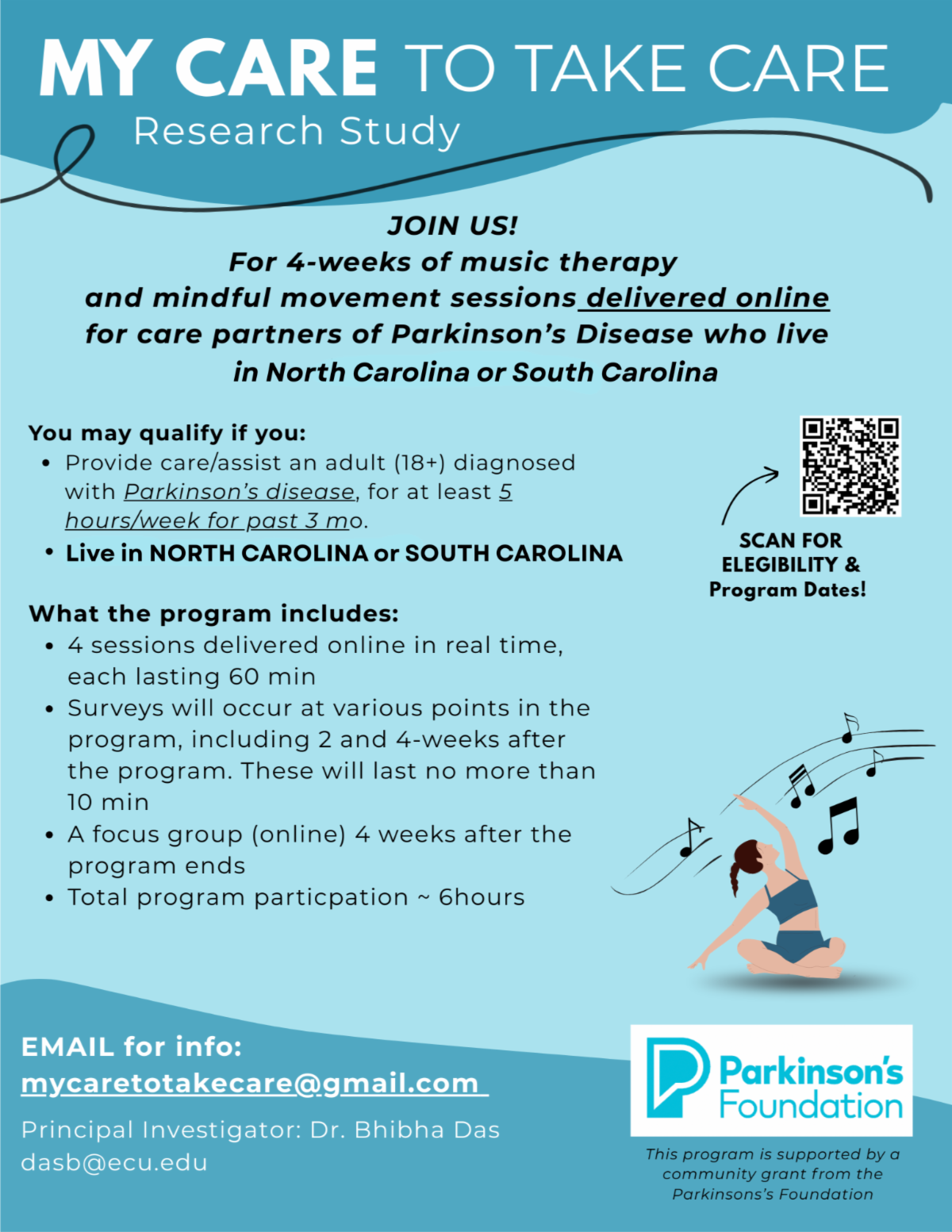
East Carolina University Study for Care Partners of Adults with Parkinson’s Disease


“My Care To Take Care”


The Columbia Parkinson’s Support Group recently received a request to send out information about care partners joining an impactful study. Please see the flyer below to join the study. This is an email we received from the professor who is leading this study:


My name is Bhibha Das and I am a faculty member at East Carolina University. 


Our research team received a Community Grant from the Parkinson’s Foundation to improve the well-being of caregivers of adults with Parkinson’s Disease who live in either North Carolina or South Carolina through a program integrating through Music Therapy & Mindful Movement. I was hoping you’d be able to spread the word through your connections and your community about this amazing program (flyer attached). We will start our round on August 4th (7 pm EST) and all activities are done remotely to help account for the unique demands and challenges of caregiving! Care partners who successfully complete the program will receive participant gifts.


I’ve also attached some press about our study: 

https://news.ecu.edu/2025/04/11/interdisciplinary-caregiver-research/


https://www.reflector.com/news/local/ecu-notes-new-funding-goal-to-empower-parkinson-s-caregivers/article_b7930111-b66d-470b-bcb8-155b48c66918.html


https://www.witn.com/2026/02/20/ecu-research-study-helps-caregivers-people-with-parkinsons-disease/


Interested folks can either email me (dasb@ecu.edu) or mycaretotakecare@gmail.com for more information. I am also happy to speak with you or interested individuals in person, via phone (252.328.0009), or email to answer any questions.


 I wanted to share with you some participant quotes and reflections about the My Care to Take Care integrated music therapy and gentle movement program.


1) I start my day with music and relaxing. I now look forward to another day, instead of dreading it.

2) Instead of feeling guilty for going for a walk, I transformed my attitude that if I didn't walk, I should feel guilty!

3) As result of discussion during a session I was able to contact one of the other participants and gain valuable information about a procedure that her care recipient went through and that my care recipient is considering.

4) From my Parkinson's Support Group, there is at least one other person who is going to participate in your program. We are always discussing ways to "fill our cups" and tools and techniques for mindful meditation. Ways in which we can help ourselves and become better care partners. Gentle movement and breathing exercises always come up.

5) I felt so peaceful, despite the stress of my own sudden illness. I would not have done that before this program.

6) The entire program is calm and peaceful. Very relaxing, no stress involved. And the leaders were so supportive and understanding, bringing both laughter and concern into the group. When I totally forgot one of the meetings, there was no judgment , just caring and concern and understanding.

7) Being a caregiver is hard—24/7 responsibility and as I am finding out, an enormous physical and emotional stress on my body and mind. Now I have ways to alleviate some of that stress.


Thank you so much for your help & support.

Sincerely,


Bhibha


Bhibha M. Das, PhD, MPH, FACSM

Professor, Kinesiology


173 Minges Coliseum

Greenville, NC 27858


(252) 328-0009

dasb@ecu.edu

Activity Promotion Lab


My care to take care poster
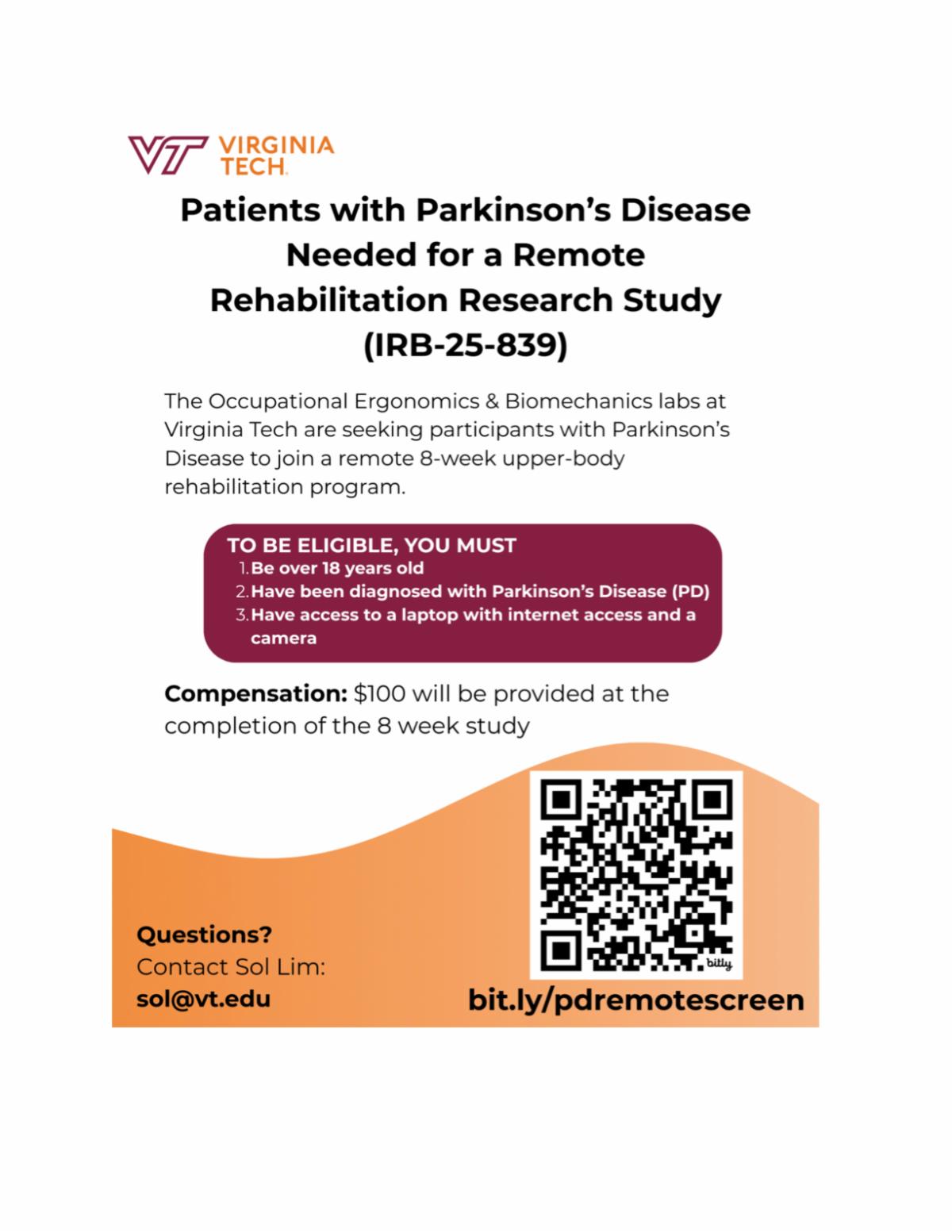
Patients with Parkinson's Disease Needed for A Remote Rehabilitation Research Study Poster

 Articles that you all helped make possible! 


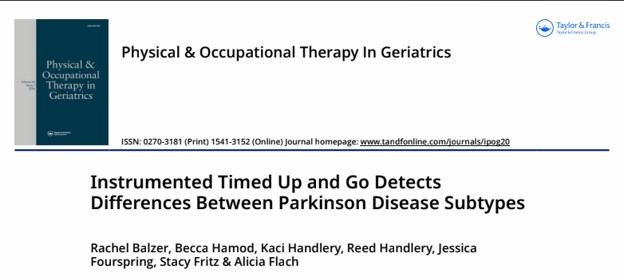
I miss this amazing community. I'm happy to share with you all that this week two research articles have been published that are advancing our understanding of Parkinson disease. This is directly related to the study that you all were engaged with. Please feel free to share!


Along with the articles I wanted to send along with my heartfelt gratitude for sharing your time and your experiences with me. This is just a small example of the impact you all have made in the world and on me. 


All the best,

Alicia Flach

618-610-4420

Instrumented Timed Up and Go Detects Differences Between Parkinson Disease Subtypes
Parkinsonis and Related Disorders

Help Us Plan Future Meetings:


Your support group, Board of Directors, and volunteers are planning the topics and speakers for next year’s meetings and our annual Educational Symposium.


If you have topics you would like to have addressed, please send them in an email to:

contact@columbiaparkinsonsupportgroup.org


You can also write the topic on a feedback form at each meeting. We read all feedback forms and take your suggestions very seriously.

Thank you!

Tuesday, August 11, 2026

New USC program will expand access to mental healthcare for autistic youth in South Carolina

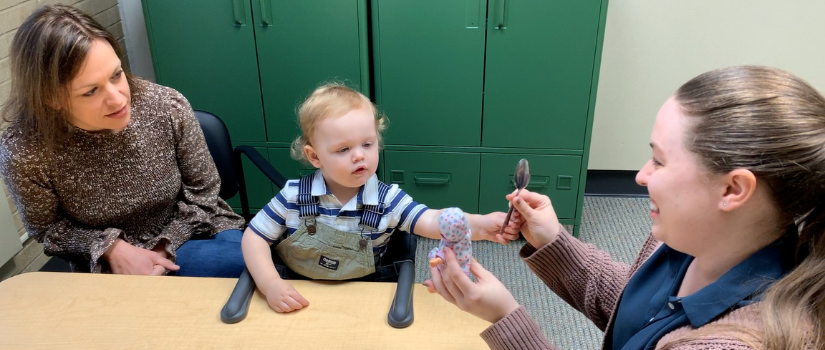
Young boy with two female therapists

A new program at the University of South Carolina will help autistic youth throughout the state receive better mental health support thanks to a grant received from The Duke Endowment. The grant will enable researchers with the Carolina Autism and Neurodevelopment (CAN) Research Center to train mental health clinicians to better work with autistic children and youth. 

The CAN Research Center conducts research and provides support, education and other resources that help families navigate challenges related to neurodevelopment. Lindsay McCary, CAN clinical director and licensed psychologist, is leading the new project, called Strengthening Mental Health Services for Autistic Children and Youth.  

“Mental illness such as anxiety and depression are elevated in autistic populations, making access to skilled providers a critical public health concern,” McCary has said. She explained that 70-95 percent of autistic children have at least one mental health condition and are at higher risk of suicidal ideation. South Carolina ranks low on access to mental health services across the nation. This is exacerbated for high-risk populations, including those with autism. 

The CAN initiative addresses these challenges by establishing a statewide education program to provide training, consultation and mentorship to mental health providers who serve or wish to serve autistic youth ages 4-18. 

“By investing in provider training and capacity building, we address an urgent and growing need for sustainable, autism-competent mental health services across South Carolina,” McCary said. 

McCary partnered on the project with Sarah Edmunds, an assistant professor in USC’s Department of Psychology and a licensed psychologist with CAN. Edmunds supports the project through her lab’s research, which focuses on making autism-related interventions widely available. Her doctoral and undergraduate trainees have surveyed mental health clinicians to find what works and what needs improving. This work will support the planning and training content of the CAN program.  

Graduate trainees will also train in the project to build a pipeline of professionals with advanced expertise in autism and mental health.  

“I have seen the powerful impact that neurodiversity-affirming mental healthcare can have for members of my family and my past clients, and I want that for all autistic youth. This project is a step in that direction for South Carolinians,” Edmunds said. 

The CAN researchers aim to have a sustainable state-wide training model to support mental health clinicians in working with autistic children and youth supported by community collaborations. McCary and Edmunds will partner with Emily Lowell, a licensed psychologist with the Prisma Health Midlands Developmental Pediatrics clinic, along with Upstate Carolina Autism Associates, the Office of Mental Health and the Office of Intellectual and Developmental Disabilities to engage mental health clinicians working in underserved areas. 

The Duke Endowment grant will provide $630,000 over three years and allow McCary and her team to develop online learning modules, launch in-personconsultations with clinicians and launch the Extension for Community Healthcare Outcomes project, a virtual learning model designed to expand expertise about autism into communities. 

“More than 70 percent of autistic youth in S.C. have challenges with mental health, yet mental health clinicians often do not know how to support them,” Edmunds said. “We have to change that, to protect and promote the quality of life and overall well-being of autistic youth and their families.”

Monday, August 10, 2026

2026 SC Assistive Technology Leadership Conference 10/8/2026


Please share with your school district assistive technology (AT) teams and administrators.  State agencies are welcome to attend.  This year's AT Leadership Conference will focus on AT Implementation.  Lunch will be provided, and attendees must register by Friday 10/2/2026.

2026 SC Assistive Technology Leadership Conference
 
Time: 9:00 a.m. – 3:30 p.m.
Location: SC Department of Archives and History (8301 Parklane Rd., Columbia, SC 29223)
Cost: Free
Registration: Participants must register to attend. 
If you need an accommodation to participate, please contact us at least at least one week prior to the in-person event via e-mail or by phone at 803-935-5263.

About the Conference
The SC Assistive Technology Leadership Conference is designed to provide resources, networking and support to South Carolina school district assistive technology leaders and teams and other state agencies. Join us for a day filled with opportunities to collaborate, share, and expand your knowledge of assistive technology best practices. Attendees will explore resources for addressing AT needs in school districts. Participants will examine important considerations of implementing assistive technology literacy and communication supports; built-in AT resources, tips, and strategies; and discuss specific practices for implementing AT in schools.
• Explore assistive technology implementation strategies for district teams
• Network with assistive technology teams from other school districts across South Carolina
• Learn what is working well for other practitioners
• Tell us how we can support you in the coming year!

Please see the flyer attached for the agenda for this in-person event.  
 

Friday, August 07, 2026

Deadline Extended for Fall NEARC Call for Presentations


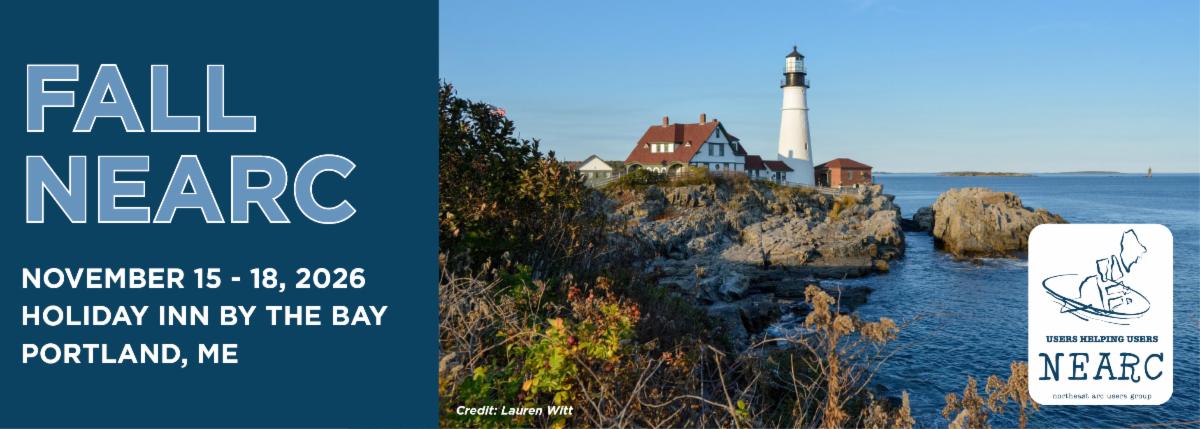
Fall Nearc November 15 - 18, 2026  Holiday Inn By the Bay Portland, ME

New Submission Deadline: August 12

Image of Portland, ME

Good news, you've got a little more time! Submit your presentation for the Fall NEARC 2026 Conference, because you've got one more week to do it. If you've been meaning to submit but haven't decided on a format, here's a quick guide to help you pick the right fit — and get it in before the new deadline.


New to presenting?

Start small. A Lightning Talk (5 minutes) or a Poster is a low-pressure way to share a project, a tool, or a lesson learned — no need to fill an hour to make an impact.


Working on something visual or interactive?

A Poster doesn't have to be printed (though it can be). Story Maps, dashboards, web apps, and Hub sites all qualify, and pairing your poster with a short lightning talk gets your work in front of even more people.


Have a workflow or tool others could use?

Consider a Hands-On Workshop (90 minutes), where attendees can follow along and leave with something they can apply immediately.


Want to convene a conversation instead of a monologue?

Organize a Panel Presentation (90 minutes) and bring together multiple voices — colleagues, partners, or even friendly competitors — around a shared challenge.


Have a deeper technical story to tell?

The Short Oral (30 min) and Longer Oral (60 min, limited slots) formats give you room to walk through methodology, results, and takeaways in depth.


No matter your experience level or field — public safety, municipal government, natural resources, education, facilities management, and beyond — there's a format that fits.


We've extended the deadline by one week to give you extra time to put together a great submission. Review the full presentation guidelines and submit your abstract before the new deadline: August 12.


We can't wait to see what you're working on!

Submit Your Presentation Here

New Deadline to Submit: August 12, 2026

The Northeast Arc Users Group invites GIS professionals, educators, researchers and students to submit abstracts for the Fall NEARC 2026 Conference, taking place November 15–18, 2026 in Portland, Maine. 


The conference consists of an Educators Day Pre-Conference on Sunday for K-12 and academic educators, followed by the Main Conference Monday through Wednesday. Have a story about using geospatial technology in or out of the classroom? Educators Day offers an audience of peers eager to engage with your experience. Submit your topic for either or both — all formats above apply to each.

To submit an abstract, review the presentation guidelines and submission procedures, then use the link below to submit a proposal.


All presenters are required to register and pay to attend the event. NEARC strives to provide financial assistance for registrants through conference scholarships. More details will be available closer to the event date.

Submit Your Presentation Here
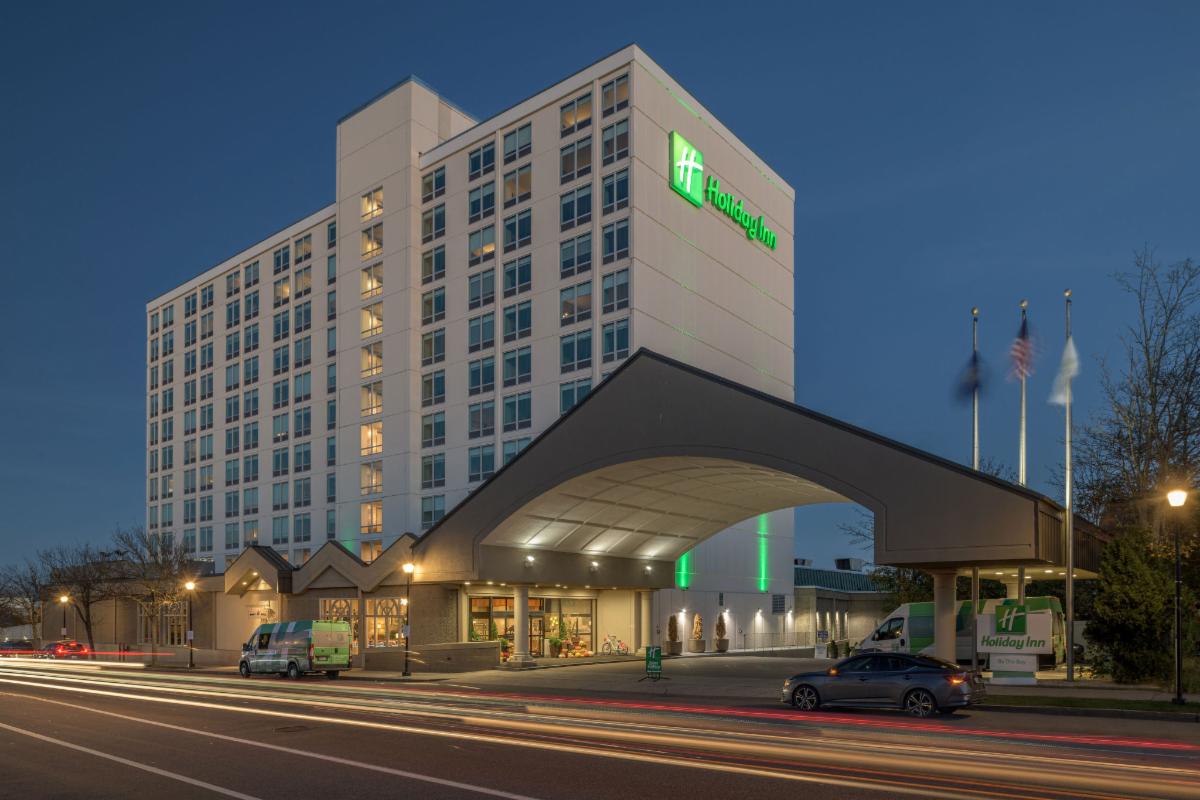
Image of Holiday Inn By The Bay

Travel Logistics


The 2026 Fall NEARC Conference will be held at the Holiday Inn By The Bay in Portland, Maine. ​


We have a discounted rate available for conference attendees for $169/ night + taxes. Please make your reservations by October 21, 2026 in order to be a part of the room block.


More information on travel logistics can be found HERE

Photo Credit: Lauren Witt

Fall NEARC | www.northeastarc.org/fall-nearc.html

NEARC | Delaney Event Management 28 Walnut Street Suite 230 | Williston, VT 05495 US

Thursday, August 06, 2026

One Secret to Health as a Wheelchair User

New Mobility Logo
NEW MOBILITY HEALTH & WELLNESS
July 2026 - View in browser
IN PARTNERSHIP WITH KALOGON
— SEATING THAT WORKS AS HARD AS YOU DO —

logo
THIS MONTH: EMBRACING DISCOMFORT
a man in a manual wheelchair pushes up a steep hill at night
On the first of what I’d planned to be 10 laps on a steep hill in my everyday chair, my arms started burning midway up the block. Three-quarters of the way to the top, I wasn’t sure I had enough power to finish. When I got to the top, arms screaming and head woozy, I took a few deep breaths and then turned around.

On the way back down, I thought of something my father-in-law had said to me years before. My wife and I were out to dinner with him. We were recounting a touring trip we’d just finished, me on a handcycle, Kelly on a bicycle. I was detailing how difficult it had been physically — trying to pull myself over mountains day after day with two quad arms; Kelly carrying more than 100 pounds of gear over the same terrain.

“If it’s so hard, why do you do it?” he asked.

“Because it feels so good when you get where you’re going,” I said.

“Yeah, well I could hit myself in the head with a hammer and it’d feel pretty damn good when I stopped,” he said. “But that doesn’t mean I want to hit myself in the head with a hammer.”

I shrugged. I didn’t have a great response.

SPONSORED CONTENT
man in powerchair showing featuring Bondar backrest
Read One User’s Experience With Bondar
New Mobility put Kalogon’s Bondar backrest to the test. Read how its customizable support, single-tool adjustability, and field-modifiable design helped deliver the balance of positioning, freedom, and function the reviewer needed -- earning praise for thoughtful hardware and adaptability.

COASTING
Before I started in on those laps, I’d been sanding cabinet faces in the house Kelly and I had just bought. We’d bought a fixer-upper with heavy emphasis on the fixer because it was the only thing we could afford. The renovation was taking forever because we had two young children, two full-time jobs and were doing the work ourselves. Kelly had been putting in days at a time at the house, and now it was my turn. She'd taken the kids to visit family, and I'd stayed back to power through a week of work with no distractions.

Back hurting, hands twitching from pressing an orbital sander into 73 years of paint, I looked at my phone and realized it was 9 p.m., and I hadn’t taken my dog on a walk. I grabbed her leash and rolled out the door into our new neighborhood. I was only planning on a quick loop, but it felt damn good to be outside and moving. For the past five years I’d been living in a rural area, where I had to drive everywhere. I was 43 and still in good shape, but felt like I’d been coasting on the fitness I’d built over 10-plus years as a full-time athlete. I knew that being strong and fit felt good, but if I didn’t start pushing myself again, I was going to lose it.

So, when I saw a particularly steep, one-block stretch, I wondered if I could do 10 laps on it. “It’s going to hurt. You’re going to want to stop,” my subconscious replied.
GOOD PAIN

Lap one brought the pain, but lap two hurt the same. I took that as good news. Lap three hurt more than lap two, and as I barely made it over a sidewalk crack near the top, I started to wonder whether I’d make it to 10.

The reason I kept going isn’t that I’m a big, tough guy. It’s that I understand the difference between good pain and bad pain. Bad pain is your shoulder twinging, warning you that a tendon is about to do something you really don’t want it to. Good pain is a burning in that same shoulder, telling you that a few days from now, it’s going to be stronger.

I learned that in college, when I couldn’t make it from class to class in time, so I started pushing laps on the hills outside my dorm a couple of times a week. Within a few weeks, I could stay for all of Writing 101 and still make it to Animal Behavior in time. I began going to wheelchair rugby practice. I could barely move the heavy chairs, so I added weights at the campus gym. Lifting and rugby both hurt more than pushing outside my dorm. But after a few months of my new routine, rugby started to get more fun. And for the first time since my accident, I had the strength to transfer back into my wheelchair after I hit a crack in the sidewalk and tumbled out of it.

The more I pushed myself, the more I found that there was a direct relationship between how hard I was willing to push myself and the gains I’d collect on the other side.
WONDER DRUG

Laps four through nine were a grind. On the ascents I focused on my mechanics. On the descents, I was done having to reason my way to the next lap and settled into the kind of calm focus I only experience during extended physicality. I felt strong, and for the first time since I started pushing these laps, I was glad I’d committed myself to the task.

Strength can be optional for nondisabled people. It isn't when you don't have many muscles to work with. I still get out of breath pushing across a gravel parking lot. I have to gather myself to lift a pot of water onto the stove. Stabilizing myself with one arm and pressing an orbital sander into seven layers of paint is an extended isometric workout.

Maximizing my own strength hasn’t just helped my health and fitness; it has been the surest way to increase the amount of stuff I can do in my everyday life.
Building strength and fitness is also the closest thing humans have to a wonder drug. In eight years of writing and editing health and wellness articles for New Mobility, I've seen one recommendation pop up in almost every topic. Would you like to sleep better? Be active early in the day. Lower your blood pressure, improve your heart health? Get consistent physical activity. Improve your mood? Live longer? I bet you can guess the answers.
 
The author found handcycle touring an especially helpful way to learn how to embrace discomfort.
When you have a disability, it’s easy to get lost in the comparison game. Brook McCall wrote a fantastic article, “How to Compare (and NOT Compare) Your SCI to Others,” in 2019. Looking at other wheelchair users to find ideas for new ways to do things can be incredibly helpful. But if you’re looking at others who have the same injury level as you and wondering why you’re not able to do what they are or as an excuse to not push your own limits, those are holes you don’t want to dig. Rick Hayden, a T8 incomplete para injured in 1976, put it this way:

“You can line up 10 people right now who have a T8 injury, and you would have 10 distinct situations, life scenarios, abilities and attitudes. So, a long time ago, I just stopped worrying about that, but I compare my body how it is now to the body I had in the past.”

Both parts of his quote are important. First, injury labels can give you a rough idea of what muscles might work or not. But with varying levels of completeness, strength before injury, access to rehabilitation and a thousand other factors, those labels can mean next to nothing in the real world. Therefore, the only person you should be comparing yourself to is you. Push yourself to move your baseline forward. It’s entirely possible you struggle and fight and never reach your original goal. But failure moves the needle a lot more than never trying.
THE OTHER SIDE

On lap 10, my arms didn’t want to go anymore, but the pain didn’t feel any worse than lap one. I made it to the top of the hill. I rolled back toward the house, exhausted but with my head still buzzing. It was now 10 o’clock and I still had work to do, but I felt a whole lot better than when I’d rolled out the front door.

Sports taught me what lies on the other side of discomfort, but the skill is transferable. The right kind of discomfort plus effort produces results. Once you’ve internalized that, it’s a lot easier to take on whatever challenge presents itself: learning a new skill at work, making your diet healthier, remodeling a house that no one else wanted to buy. You know it's going to be uncomfortable. You know you'll want to stop. You commit anyway.

More than a decade after that dinner, I finally have a response to my father-in-law. Spend eight hours riding your bike. Spend a night sanding cabinets and doing hill repeats. Spend a lifetime pushing past your comfort zone. You’ll wind up in a better place than you started. The same cannot be said of hitting yourself in the head with a hammer.